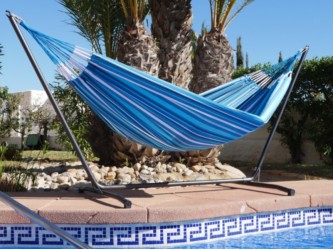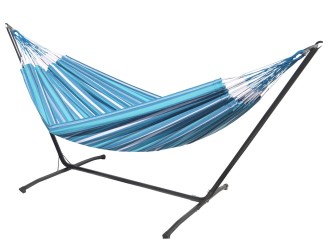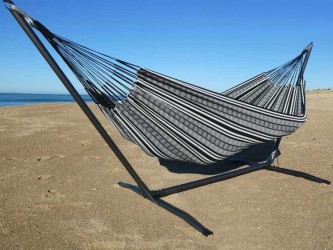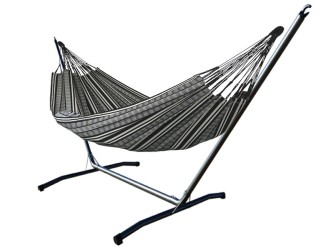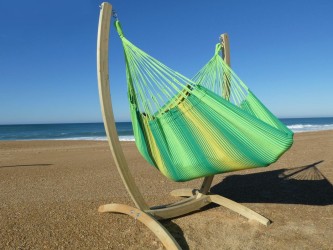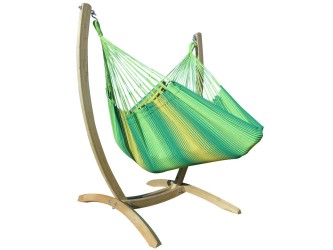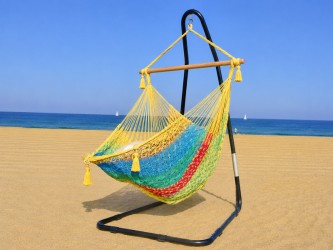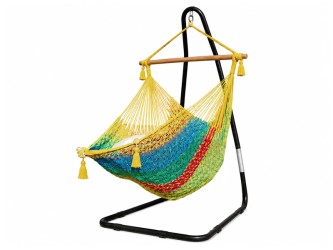


Verified quality, strength & compliance
Since 1988, Tropical Hamac has focused on quality hammocks, woven mainly in Latin America, the historic birthplace of the traditional hammock. These countries do not always apply the same regulations as Europe, but our experience has always enabled us to select models known for their longevity and strength. The problem with our hammocks? They last so long that we only see our customers again every ten years!
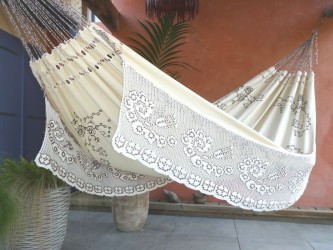
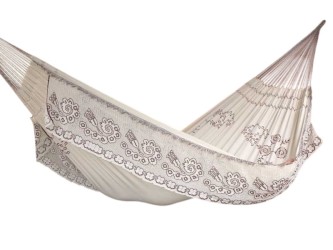
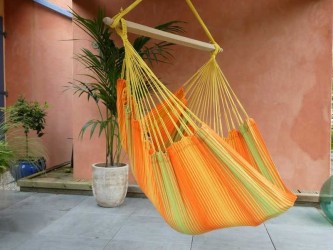
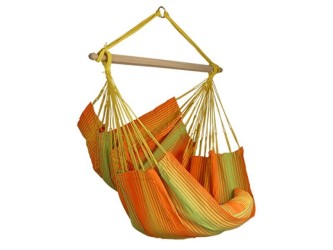
However, trust does not rule out checks. That is why, in 2025, we decided to subject our hammocks and hammock chairs to comprehensive strength tests and textile analyses to meet current European requirements. These tests were carried out with our subsidiary Hamac del Sol on Colombian hammocks and hammock chairs historically selected by Tropical Hamac.
The tests were carried out by Intertek France , one of the most recognised quality control laboratories. These analyses were requested in particular in connection with the distribution of our products through Nature & Découvertes. (Previously imported by Hamac del Sol, now by Tropical Hamac.)
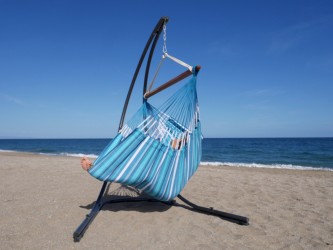
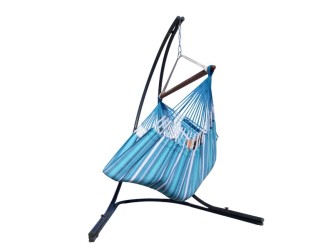
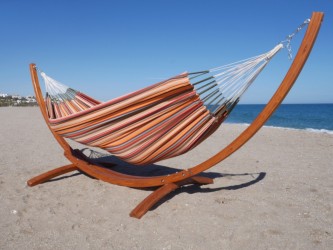
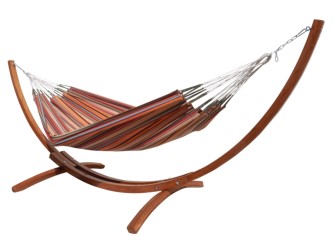
The results for one hammock and one hammock chair confirm the high quality, strength and compliance of the tested models with the applicable European standards.
Strength & durability tests
The models were subjected to a hammock-specific protocol that included:
- Stability test – Checking stability under load.
- Vertical static load – Up to 2 200 Newtons.
- Endurance test – 10 000 cycles at 1 000 N + 5 000 cycles at 1 500 N.
These tests reproduce years of use and validate the strength of the seams, ropes and overall structure of the hammock.
REACH checks – Protecting health and the environment
REACH is a European regulation introduced to protect human health and the environment from chemicals used in everyday products.
This regulation requires companies to demonstrate that the substances used in their products are safe. They must be registered, evaluated, authorised or restricted within the European Union.
For a hammock, this includes in particular:
-
The dyes used for the different colours
-
Textile treatments
-
Certain components of the fibres and ropes
Laboratory analyses were carried out on a representative model (beige & ecru colours).
The checks covered the fabric as well as the ropes, including the Ecotec recycled cotton yarn used in our manufacturing.
The tests checked for the absence or compliance of regulated substances: formaldehyde, heavy metals, banned azo dyes, lead, PCP, quinoline, dimethyl fumarate, AP & APEO, chlorinated compounds, etc.
The Ecotec recycled cotton yarn, which is the same throughout the relevant range, meets the requirements assessed in these checks.
In summary: the tested models comply with the applicable European requirements, and the raw materials used in our hammocks follow the same manufacturing standards.
Standardised analytical methods (ISO)
Some analyses were carried out according to international ISO standards, including ISO 18254-1.
This standard governs how substances present in textiles are identified and measured in the laboratory. It ensures that the tests follow internationally recognised scientific protocols.
In other words, the checks are not approximate. They are based on rigorous, standardised methods.
Since 1988, we have selected durable hammocks.
Since 2025, they have been tested in an independent laboratory.
FAQ – Certified hammocks, REACH compliance & recycled cotton
Can a hammock be certified in Europe?
There is no single official label for hammocks in Europe. However, a hammock can be tested in an independent laboratory to check its strength and the compliance of its textiles with European regulations. This is the case for the tested Tropical Hamac models.
What does “REACH-compliant hammock” mean?
REACH is a European regulation governing the chemicals present in textile products.
A REACH-compliant hammock means that the analyses carried out verify that regulated substances (formaldehyde, heavy metals, azo dyes, etc.) are within the limits permitted in Europe.
What is the difference between a certified hammock and a laboratory-tested hammock?
The term “certified” is often used commercially.
A hammock tested in an independent laboratory means that actual tests have been carried out: load tests, endurance tests and textile analyses. The results are documented in an official report.
How can you tell whether a hammock is strong and durable?
A strong hammock is tested against several criteria:
-
Stability under load
-
Static load (expressed in Newtons)
-
Endurance testing in cycles
The tested Tropical Hamac models have been validated up to 2 200 N and a total of 15 000 cycles.
Are recycled cotton hammocks safe?
The recycled cotton used (Ecotec yarn) was included in the textile analyses.
The checks cover regulated substances to ensure compliance with European requirements. The yarn used throughout the relevant range follows the same manufacturing standards.
Are all colours tested?
The analyses were carried out on a representative model (beige & ecru).
The raw materials and manufacturing processes remain the same throughout the relevant range, but the dyes may vary by colour.
Can a hammock contain toxic substances?
Like any textile, a hammock may contain dyes and treatments.
Laboratory analyses can check for the absence or compliance of substances regulated at European level.
Where can you find the test report for your hammock?
The full reports are available to download on this page.
They detail the strength tests and textile analyses carried out by an independent laboratory.