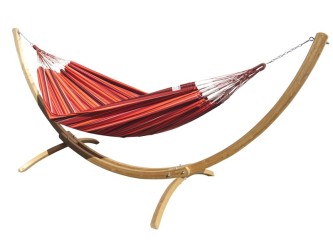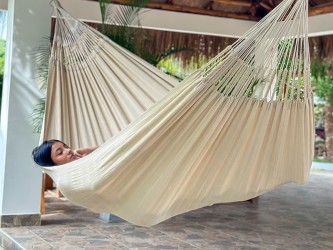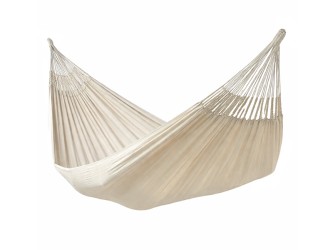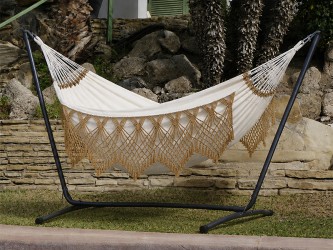


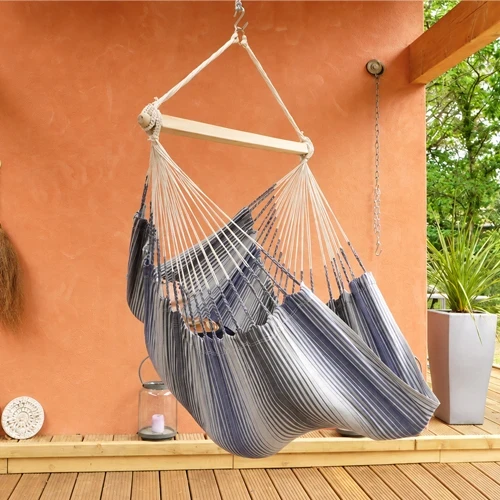
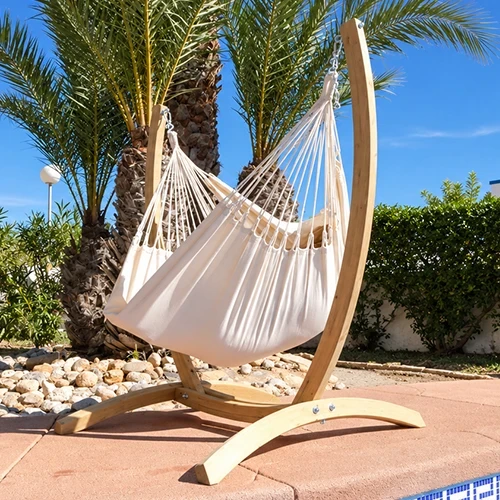

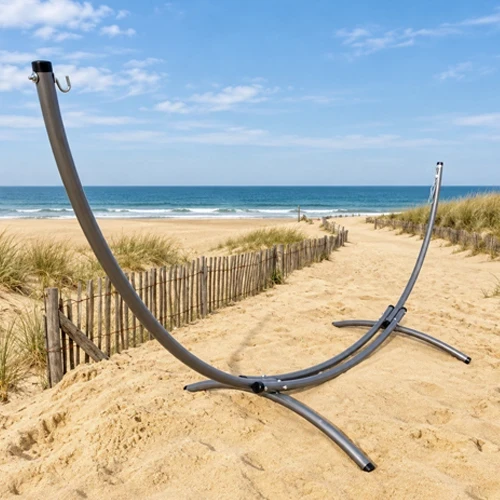
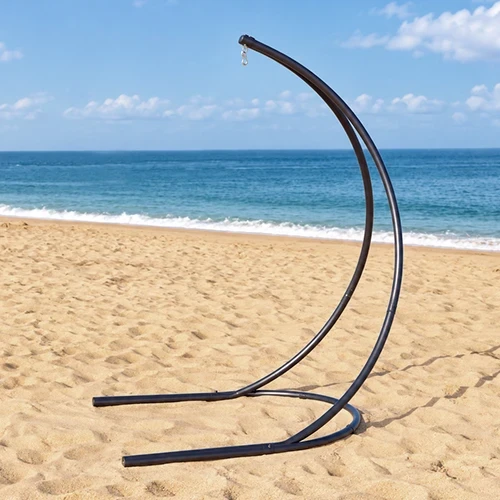
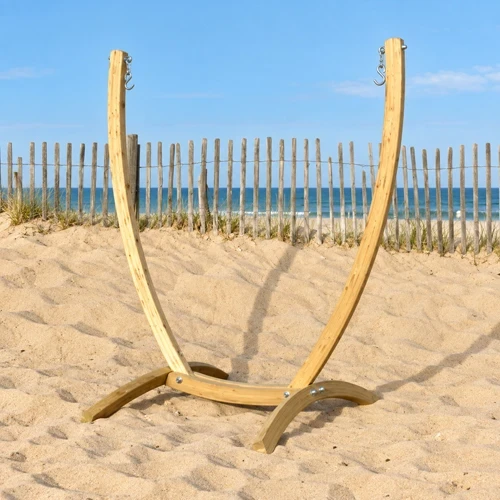



In the large family of hammocks, we distinguish 2 types of sleeping surface: fabric and net. In Colombia and Venezuela, which are the world’s two leading hammock countries, there is a word for each. In particular, a hammock is called a "Chinchorro" if it is made of netting and a "Hamaca" if it is made of fabric. If you show your Mexican hammock (net style) to a Colombian while talking about your hamaca, don't be surprised if they don't quite understand what you mean.
A very strange fact: Brazil, which is also a vast country in terms of hammock culture, does not have a single word in its vocabulary to describe it. Over there, they say "Rede de dormir," which translates as "sleeping net," just like there are also protective nets, fishing nets, etc. However, when the first hammocks were discovered, there was indeed the term "Acat" or even "Inri," whose origin is Tupinamba on the Brazilian coast around Rio de Janeiro. Why has a word been lost over the centuries?
The net hammock: its characteristics
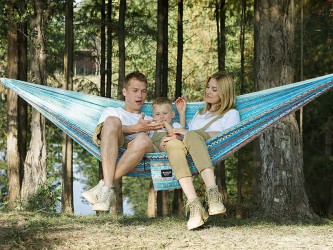
- Its main asset is its freshness: It is found in regions where it stays warm at night. For example, in Mexico in the states of Yucatan, Quintana Roo, Campeche, or also in certain states on the Pacific coast. In Colombia, the Chinchorros are found in the Guajira desert. The net hammock is therefore cooler than the canvas model, as it allows air to pass through the mesh.
- Its second asset is its stretchy sleeping surface: Contrary to popular belief, due to its 4-strand mesh weaving, the net hammock hardly leaves any marks on the skin. This flexible and comfortable sleeping surface is very durable.
The breathable mesh hammock: unbeatable for comfort
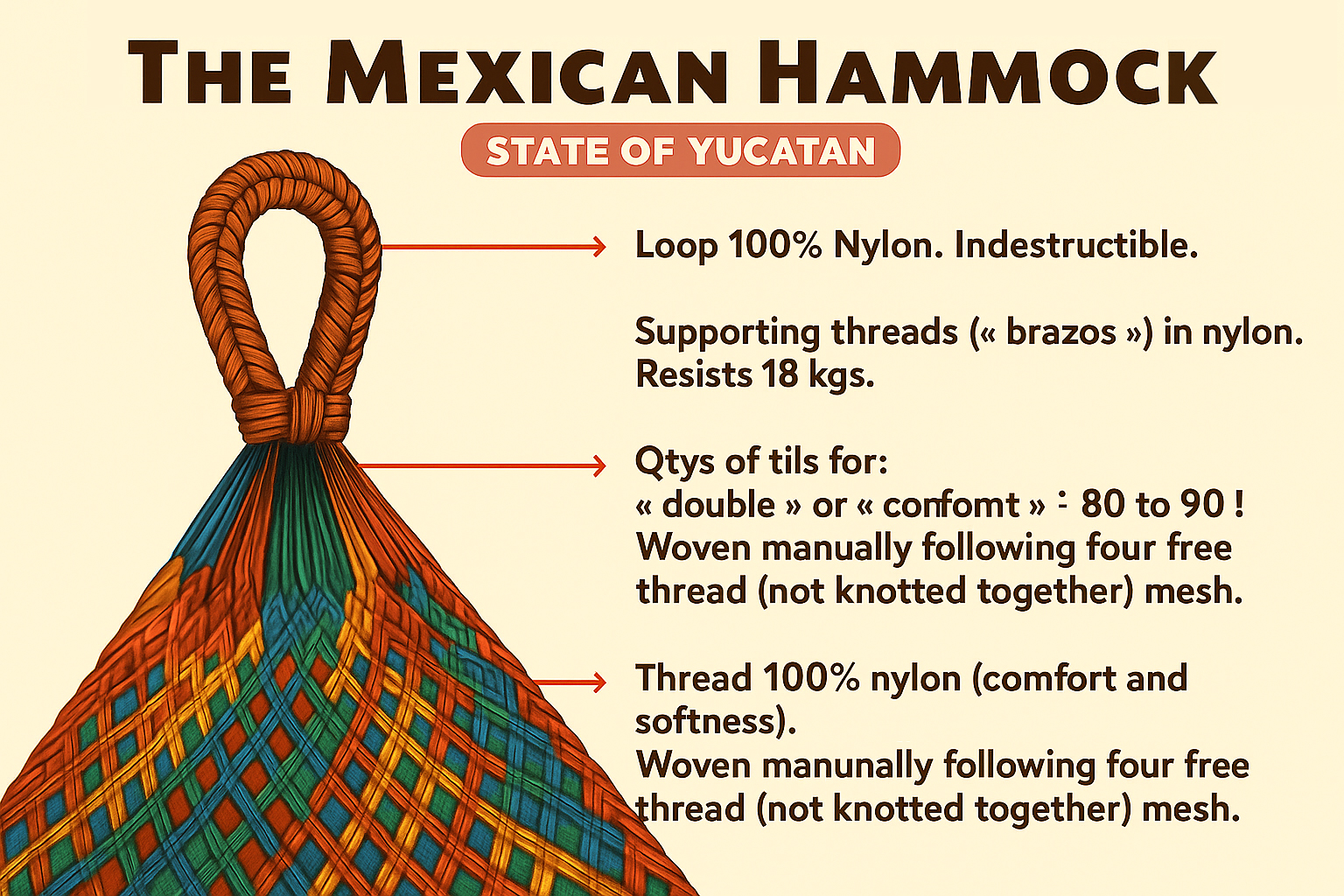
Unlike fishing nets in which each mesh is knotted, genuine net hammocks are woven with loose loops. The threads slide over themselves and offer an expandable sleeping surface. This type of mesh perfectly hugs all the contours of your body.
A breathable net hammock from Mexico, made entirely by hand, will be just as comfortable as a Wayuu hammock from northeastern Colombia or a hammock from Venezuela. The latter are featured in our luxury hammocks range.
The Mexican hammock: the best of nets
This drawing shows how Mexican hammocks are made. At Tropical Hamac, we were trained by Anna Maria on the island of Holbox in the state of Quintana Roo to learn how to weave them. As a result, we can repair most Mexican hammocks. Please note: the Mexican model is ultra-light; it is perfect for travel and rivals the parachute fabric one. Its only drawback is that it must be hand washed.
The secret of the 4-thread mesh.
The canvas hammock: its characteristics
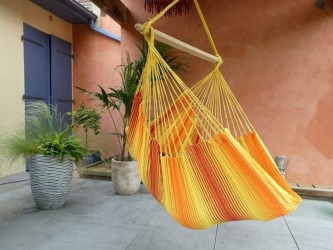
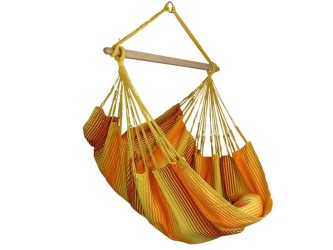
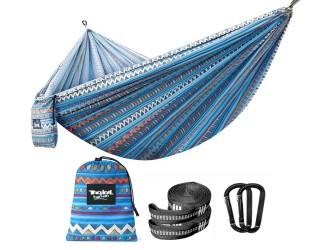
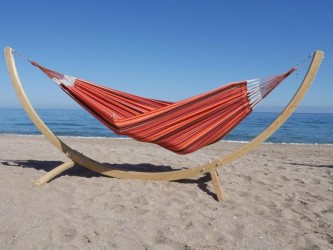
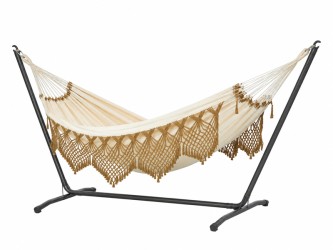
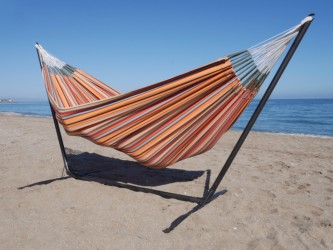
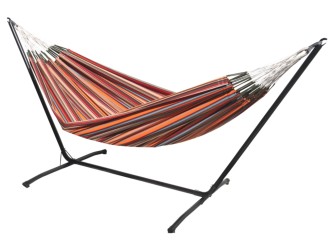
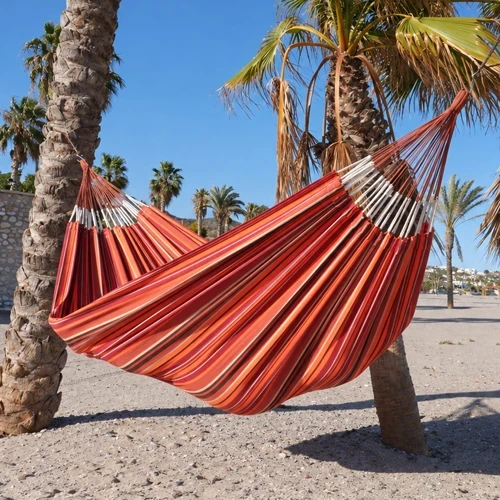
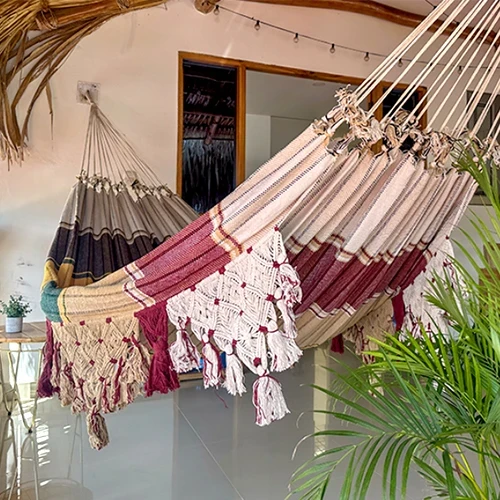
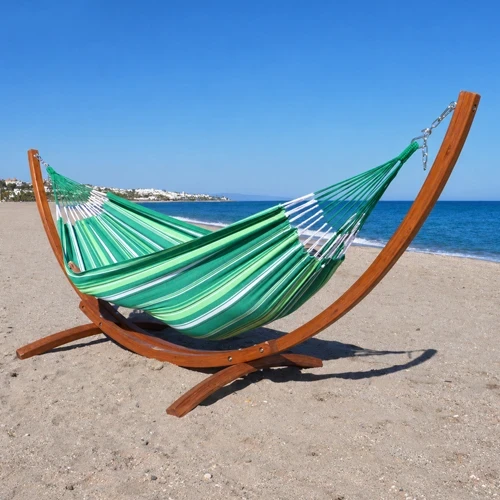
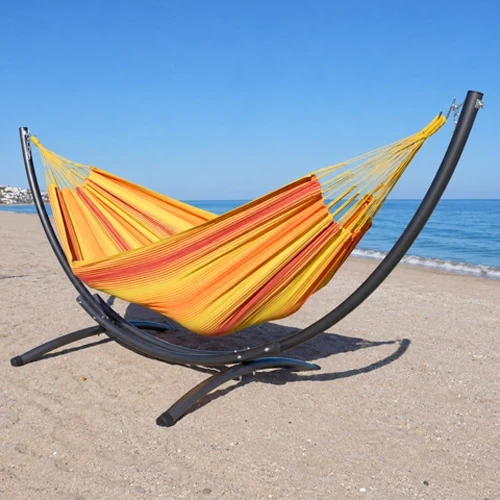
This is the most common type of hammock in South America. It can be found everywhere. Whether industrial or handmade, the selection is vast. For example, it comes in 100% cotton, organic cotton, recycled cotton, or a cotton-acrylic blend, as well as cotton-polyester. As for polyester, only in China are hammocks made with 70% polyester or even 100%! But the label won't always tell you that... In Latin America, a hammock fabric will never have more than 30% polyester. Cotton is much more pleasant to the touch and less hot.
The canvas hammock: ease of use and maintenance
It is easier to use, durable, and easy to wash in the machine. It is ideally suited for cooler seasons. But also, easier to use for both children and adults.
To wash it in the machine, simply tie the suspension ends together to prevent the cords from tangling with each other. Do not use a tumble dryer.
Many canvas models that we offer you are from our own designs. Discover our collection in durable canvas from Brazil or Colombia in recycled cotton.
The origin of our fabric hammocks
It should be specified that our choice focuses solely on Latin America. At Tropical Hamac, you will not find hammocks made in China or India. Indeed, we want to continue to promote the quality and ancestral craftsmanship of artisans from Colombia, Brazil, and also Venezuela.
The luxury hammocks from Venezuela are undoubtedly the most comfortable you can find nowadays. Unfortunately, for political reasons, importing from this country remains very complicated.
The best of canvas hammocks
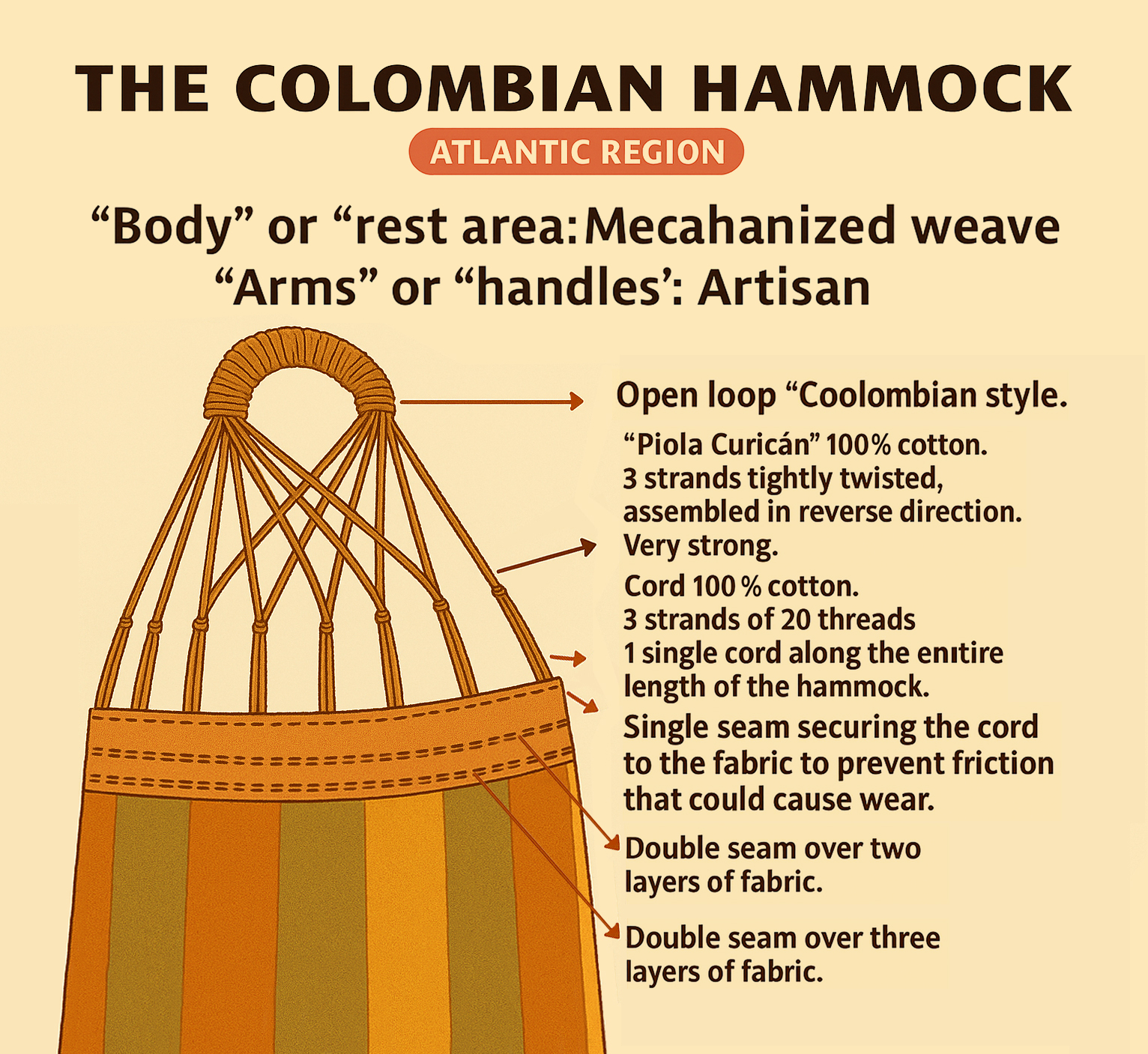
Colombia is one of the great hammock countries. There are two main types: artisanal hammocks made entirely by hand, and semi-artisanal hammocks woven on a loom with traditional finishing. In San Jacinto, in the department of Bolívar, some of the finest handwoven fabric hammocks are made. The weaving takes place on a very simple loom called a Telar: the weft is passed manually through the warp threads and packed tightly. The result is high-quality fabric that is dense, particularly durable and can last for decades if properly cared for. We have worked with Gladys for over 20 years: Gladys’s craftsmanship is exceptional, and every hammock carries the mark of a true Colombian tradition. Our semi-artisanal Colombian hammocks are woven from durable fabric and offer unbeatable value for money. With minimal care, these hammocks will last 10 years, and often much longer. The only part that may wear faster is the suspension cords, which take considerable strain. There is no need to worry: we repair hammocks, and you can come back to us to have the cords replaced or reinforced when needed.
Below is our sketch of the Colombian semi-industrial model.
The Brazilian Hammock
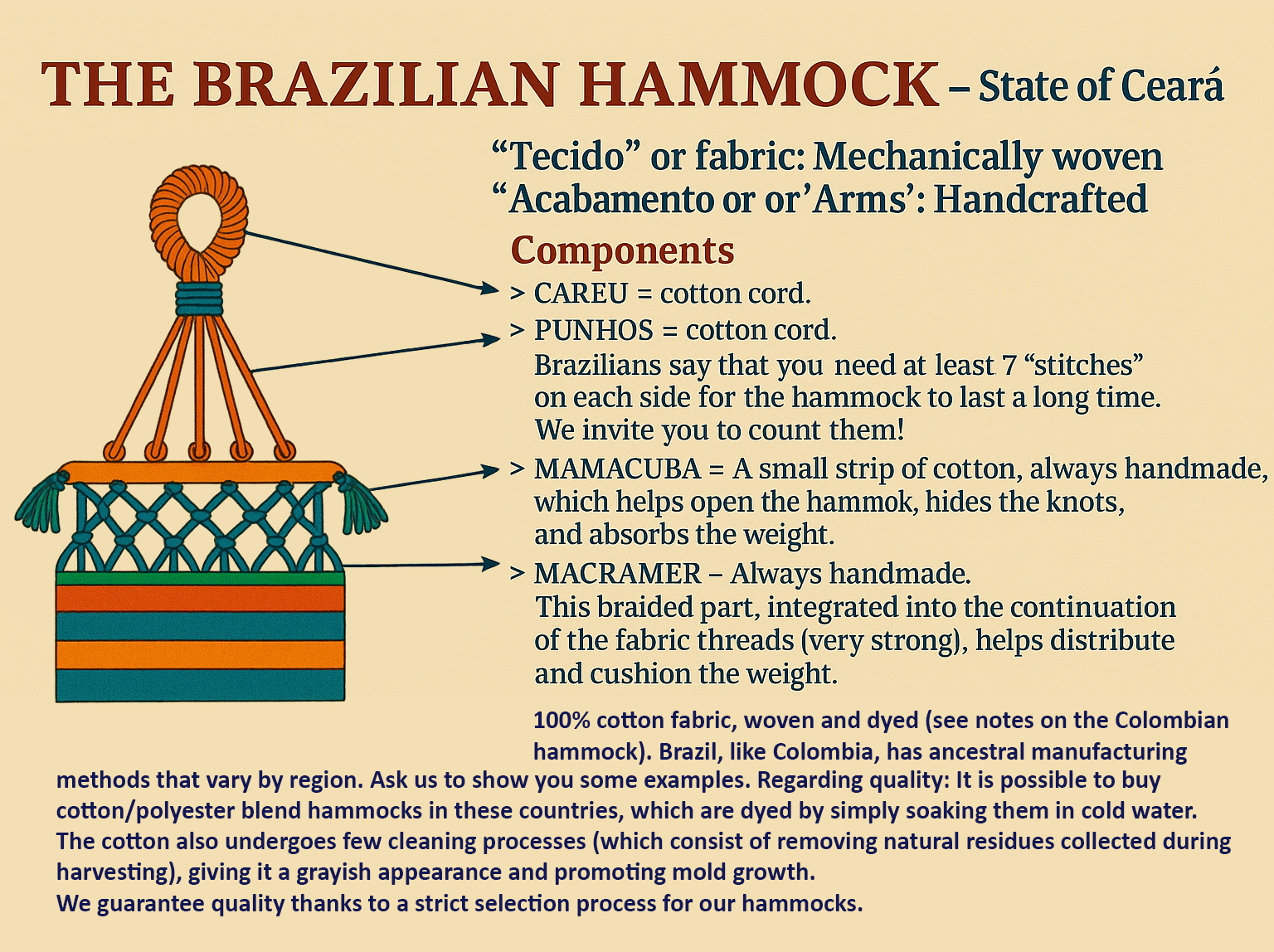
Impeccable quality for this country, which boasts the highest number of hammock users. There, you can find them everywhere: in markets, in shops, and of course, in homes. This hammock culture has fostered true expertise, with an impressive sense of weaving and finishing, as well as an incredible choice of colors. Some luxury hammocks from Brazil have exceptional designs.
Every three years, we release a new collection, and no matter the imagined colors or requested combinations, nothing is impossible for these master craftsmen.
Conclusion
Here, we have designed three very different hammock styles: the Mexican net, the Colombian canvas, and the Brazilian hammock. But the hammock represents 1,000 years of history, and each country has its own unique expertise. Much like France and its wine culture. You will discover many models from different countries as you browse our website.
For even more information on this ancient art, visit our hammock blog...
Enjoy your visit!